Remove from Cart 3D Illustration: Enhancing E-Commerce User Experience
In the fast-paced world of e-commerce, user experience plays a crucial role in determining customer satisfaction and conversion rates. One element that often goes unnoticed but significantly impacts the shopping journey is the Remove from Cart 3D Illustration. This visual tool not only improves the usability of online shopping carts but also enhances the overall aesthetic appeal of digital platforms. Understanding how to effectively use Remove from Cart 3D Illustration can lead to better engagement, fewer abandoned carts, and ultimately, higher sales.
Understanding Remove from Cart 3D Illustration
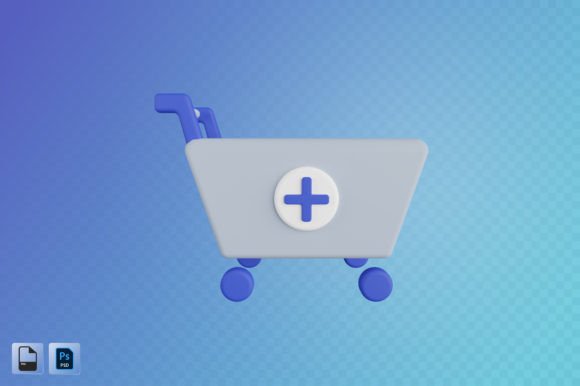
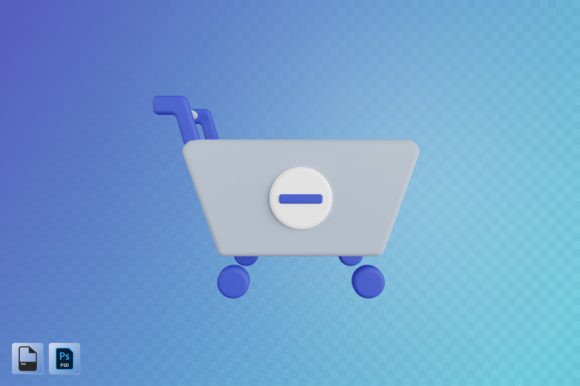
A Remove from Cart 3D Illustration refers to a three-dimensional graphic representation used within an e-commerce platform to indicate the option for users to remove items from their shopping cart. Unlike traditional flat icons, these illustrations add depth and realism, making the interaction more intuitive and visually appealing. They are commonly used in web and mobile applications where users manage their selections before proceeding to checkout.
The primary purpose of a Remove from Cart 3D Illustration is to provide a clear and engaging way for customers to interact with their cart. By using 3D elements, designers can create a more immersive experience, helping users quickly identify and remove items without confusion. This is especially beneficial for platforms with a large number of products or complex cart interfaces.
Challenges and Needs in E-Commerce
One of the main challenges faced by e-commerce businesses is cart abandonment. According to various studies, over 69% of online shoppers abandon their carts before completing a purchase. Several factors contribute to this issue, including complicated checkout processes, unexpected costs, and unclear navigation. In this context, a well-designed Remove from Cart 3D Illustration can play a vital role in simplifying the user experience.
Users often face difficulties when trying to navigate through their cart, especially if the interface is cluttered or poorly designed. A Remove from Cart 3D Illustration can help reduce this friction by offering a more intuitive way to manage selections. It allows users to easily identify and remove items, which can prevent frustration and encourage them to complete their purchases.
How Remove from Cart 3D Illustration Can Help
Implementing a Remove from Cart 3D Illustration can lead to several benefits for both users and businesses. For users, it provides a more engaging and interactive way to manage their shopping carts. The visual clarity of 3D graphics helps them quickly locate and remove items, reducing the time spent on this task. This streamlined process can lead to a more positive shopping experience and increased likelihood of conversion.
For businesses, the use of Remove from Cart 3D Illustration can improve user retention and satisfaction. A well-designed illustration not only enhances the visual appeal of the platform but also signals professionalism and attention to detail. This can build trust with customers and encourage repeat visits. Additionally, a smoother cart management process can lead to lower bounce rates and higher average order values.
Practical Applications and Outcomes
The application of Remove from Cart 3D Illustration extends beyond just aesthetics. It can be integrated into various aspects of e-commerce, such as product pages, checkout flows, and mobile apps. For example, on a mobile device, a 3D illustration can make it easier for users to tap and remove items without accidentally selecting other options. This is particularly useful in environments where screen space is limited.
Another practical application is in multi-item carts. When users have several items in their cart, a Remove from Cart 3D Illustration can help them quickly identify which items they want to remove. This is especially beneficial for platforms that offer bulk purchasing or subscription-based models, where managing multiple items is common.
Examples and Recommendations
Several e-commerce platforms have successfully implemented Remove from Cart 3D Illustration to enhance their user experience. For instance, some fashion retailers use 3D icons to allow customers to remove specific items from their cart with a simple click. This not only improves usability but also makes the interface more visually appealing.
When considering the use of Remove from Cart 3D Illustration, it's important to choose a design that aligns with your brand identity and user expectations. The illustration should be clear, consistent, and easy to recognize. Additionally, testing different designs with real users can help determine which version performs best in terms of usability and engagement.
Considering Different User Approaches
Users may approach the shopping cart differently based on their preferences and habits. Some may prefer a minimalist design, while others might appreciate more visual cues. A Remove from Cart 3D Illustration offers flexibility, allowing designers to cater to different user needs. For example, a more detailed illustration might appeal to users who value visual feedback, while a simpler version could suit those who prioritize speed and efficiency.
Moreover, the effectiveness of a Remove from Cart 3D Illustration can vary depending on the platform and target audience. For a younger demographic, a more dynamic and colorful design might resonate better, while a professional audience may prefer a sleek and sophisticated look. Tailoring the illustration to the specific needs of your users can significantly impact its success.
Conclusion
Incorporating a Remove from Cart 3D Illustration into your e-commerce platform can greatly enhance the user experience. By providing a clear and engaging way to manage shopping carts, it helps reduce friction, increase satisfaction, and ultimately drive conversions. Whether you're a small business owner or a large retailer, understanding the value of Remove from Cart 3D Illustration can lead to meaningful improvements in your online operations. With careful design and implementation, this tool can become a valuable asset in your digital strategy.