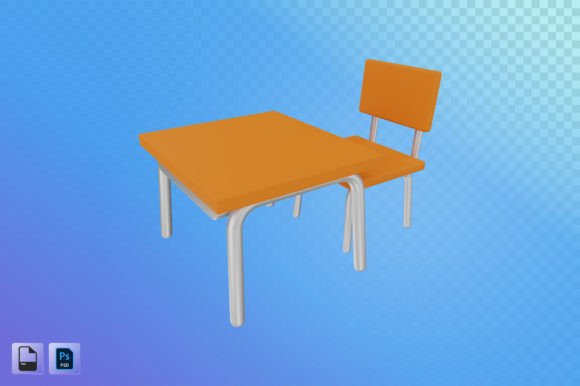
Chair and Table 3D Illustration: Enhancing Design and Workflow Integration
In the realm of design, visualization, and spatial planning, Chair and Table 3D Illustration serves as a powerful tool that bridges conceptual ideas with tangible outcomes. Whether you're an interior designer, product developer, or digital artist, understanding how to effectively use 3D illustrations of chairs and tables can significantly enhance your workflow. This article explores the practical applications, integration strategies, and real-world benefits of incorporating Chair and Table 3D Illustration into your projects.
What Is Chair and Table 3D Illustration?
Chair and Table 3D Illustration refers to the creation of three-dimensional visual representations of seating and surface furniture. These illustrations are typically generated using specialized software such as Blender, SketchUp, or Adobe Dimension. The result is a detailed, realistic model that can be viewed from multiple angles, manipulated for different configurations, and integrated into larger design concepts.
This form of illustration is particularly useful in scenarios where physical prototypes are impractical or costly. By leveraging 3D models, designers and creators can explore various styles, materials, and layouts before committing to a final product or layout.
Where Does It Fit in the Broader Process?
Chair and Table 3D Illustration plays a crucial role in several stages of a project, from initial planning to final execution. Here’s how it fits into different phases:
Pre-Project Planning
Before starting a new project, whether it's designing a living room layout or developing a new line of furniture, Chair and Table 3D Illustration can help visualize potential arrangements. This early-stage use allows for quick iterations and adjustments without the need for physical samples or mockups.
For example, a home decorator might use 3D illustrations to experiment with different chair placements in a space, ensuring optimal flow and functionality before making any purchases or installations.
During Project Execution
During the execution phase, 3D illustrations serve as a reference point for team members, clients, and stakeholders. They provide a clear visual guide that aligns everyone’s expectations and reduces the risk of miscommunication. This is especially valuable in collaborative environments where multiple parties are involved in the decision-making process.
For instance, a product development team working on a new dining table might use 3D illustrations to test different designs, materials, and finishes. This not only streamlines the design process but also helps identify potential issues early on.
Post-Project Evaluation
After a project is completed, Chair and Table 3D Illustration can be used for documentation, marketing, or future reference. High-quality 3D models can be incorporated into presentations, websites, or social media content to showcase the final outcome in a visually engaging way.
Additionally, these illustrations can serve as a foundation for future projects, allowing designers to reuse or modify existing models rather than starting from scratch each time.
How It Interacts With Other Tools and Methods
Chair and Table 3D Illustration is most effective when integrated with other tools and methods. Here are some key interactions:
- Design Software: 3D illustrations often work in conjunction with CAD (Computer-Aided Design) software, allowing for precise measurements and detailed modeling.
- Photography and Rendering: High-quality images can be generated from 3D models, which can then be used in marketing materials, e-commerce listings, or client presentations.
- Collaboration Platforms: Cloud-based platforms like Figma or Google Drive enable teams to share and review 3D models in real-time, facilitating smoother communication and faster decision-making.
- Client Feedback Tools: Interactive 3D models can be embedded into websites or apps, allowing clients to explore designs and provide feedback directly within the interface.
By combining 3D illustration with these tools, professionals can create a more efficient and cohesive workflow that supports both creative and practical goals.
Practical Implementation Tips
To make the most of Chair and Table 3D Illustration, consider the following tips:
- Start With Clear Objectives: Define what you want to achieve with the illustration. Are you testing a layout, showcasing a product, or communicating a concept? Having a clear goal will guide your design choices and ensure the final output meets your needs.
- Use Consistent File Formats: Stick to widely supported file formats such as .obj, .fbx, or .stl to ensure compatibility across different software and platforms.
- Optimize for Performance: Balance detail with performance by simplifying complex models where possible. This ensures smooth rendering and easier handling, especially when working with large files or limited hardware resources.
- Document Your Process: Keep track of your design decisions, material choices, and layout options. This documentation can be invaluable for future projects or when revisiting past work.
- Seek Feedback Early: Share your 3D illustrations with colleagues, clients, or mentors at various stages of the process. Their input can help refine your designs and avoid costly revisions later on.
Workflow Examples and Use Cases
Here are a few examples of how Chair and Table 3D Illustration can be applied in different workflows:
Interior Design Projects
When designing a living room, a designer might use 3D illustrations to experiment with different chair and table combinations. This allows them to visualize how the furniture interacts with the space, lighting, and other elements before making any physical changes.
E-Commerce Product Listings
Online retailers can use 3D illustrations to showcase furniture items in a more engaging way. Customers can view products from multiple angles, zoom in on details, and even see how the furniture would look in their own space through augmented reality features.
Architectural Presentations
Architects and developers often use 3D illustrations to present building plans to clients. By including realistic models of chairs and tables, they can give a more accurate sense of how the space will function and feel once completed.
Education and Training
In educational settings, 3D illustrations can be used to teach students about design principles, spatial relationships, and material properties. They provide a hands-on, interactive way to explore concepts that might otherwise be difficult to grasp through traditional methods.
Factors to Consider for Long-Term Use
As you integrate Chair and Table 3D Illustration into your workflow, keep the following factors in mind:
- Preparation: Invest time in learning the software and tools you’ll be using. A solid foundation in 3D modeling will save you time and effort in the long run.
- Compatibility: Ensure that your 3D models can be easily shared, edited, and used across different platforms and devices.
- Usability: Choose tools that are intuitive and user-friendly. A steep learning curve can slow down your workflow and reduce productivity.
- Organization: Maintain a structured file system for your 3D models, textures, and assets. This makes it easier to locate and reuse files in future projects.
- Quality Control: Regularly review your work for accuracy, consistency, and realism. Small details can have a big impact on the overall quality of your illustrations.
By addressing these factors, you can ensure that your use of Chair and Table 3D Illustration remains efficient, effective, and sustainable over time.