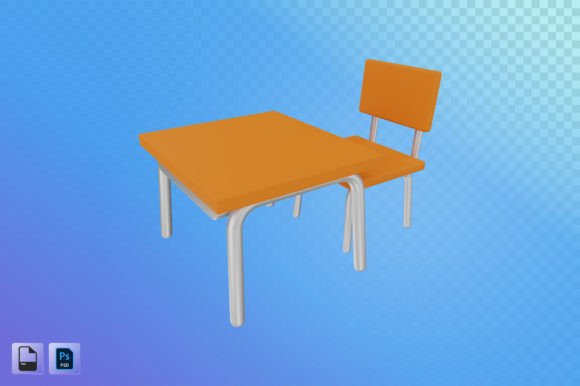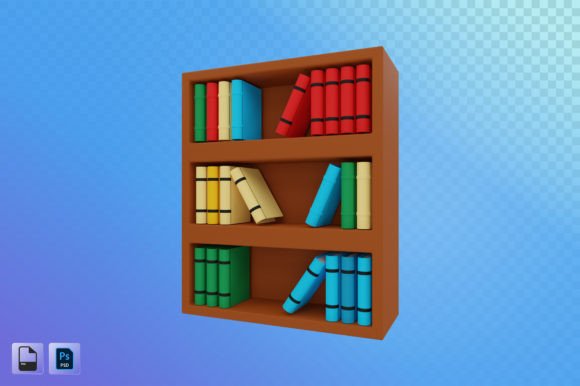
Library 3D Illustration: Enhancing Workflow and Creativity
Library 3D Illustration is a powerful tool that brings visual clarity and depth to a wide range of projects. Whether you're working on product design, architectural visualization, educational content, or marketing materials, 3D illustrations can transform abstract ideas into tangible representations. This technology allows users to create detailed, interactive models that can be viewed from multiple angles, offering a level of detail and realism that traditional 2D illustrations often cannot match.
Understanding the Role of Library 3D Illustration in Workflows
Library 3D Illustration fits seamlessly into various stages of a project lifecycle. Before starting a new task, it can help visualize concepts and identify potential issues early on. During the execution phase, it serves as a reference point for team members, ensuring everyone has a shared understanding of the project's direction. After completion, 3D illustrations can be used for documentation, presentations, or client reviews, providing a clear and professional overview of the final outcome.
For professionals in fields such as architecture, engineering, and design, 3D illustration is an essential part of the planning process. It enables teams to explore different design options, test structural integrity, and make informed decisions before committing to physical prototypes. In marketing and advertising, 3D illustrations are used to showcase products in a visually appealing way, helping to engage audiences and drive conversions.
Integrating Library 3D Illustration into Daily Tasks
Whether you're a small business owner, a creative professional, or an educator, integrating 3D illustration into your workflow can enhance productivity and efficiency. For example, a product designer might use 3D modeling software to create a prototype, then export it as an illustration for use in a catalog or website. A teacher could use 3D visuals to explain complex scientific concepts, making learning more engaging and accessible for students.
One of the key benefits of Library 3D Illustration is its compatibility with other tools and platforms. Many 3D illustration programs allow for easy integration with design software, project management tools, and content management systems. This makes it possible to streamline workflows and reduce the time spent switching between applications. Additionally, cloud-based solutions enable collaboration, allowing team members to access and contribute to 3D assets from anywhere.
Practical Implementation Tips
To get the most out of Library 3D Illustration, it's important to plan ahead and organize your resources effectively. Start by defining the purpose of the illustration and identifying the specific elements that need to be included. This will help ensure that the final result meets your goals and aligns with your overall project strategy.
When creating 3D illustrations, consider the level of detail required. High-resolution models may be necessary for certain applications, while simpler designs may suffice for others. Balancing quality with performance is crucial, especially when working with large files or limited system resources. Using consistent naming conventions and folder structures can also improve usability and make it easier to locate and reuse assets in the future.
Another important factor is maintaining a standard workflow. Establishing a set of guidelines for creating, reviewing, and approving 3D illustrations can help ensure consistency across projects. This is particularly useful when working with multiple team members or external collaborators, as it reduces the risk of errors and miscommunication.
Using Library 3D Illustration for Learning and Development
Library 3D Illustration is not only valuable for professional projects but also for personal and educational purposes. Students and lifelong learners can use 3D visuals to better understand complex subjects, from anatomy and physics to engineering and art. Interactive 3D models can provide a hands-on learning experience, making abstract concepts more concrete and easier to grasp.
For educators, incorporating 3D illustrations into lesson plans can enhance student engagement and improve knowledge retention. Visual aids help break down complicated processes and make learning more dynamic. Additionally, 3D illustrations can be used to create interactive quizzes, simulations, and virtual labs, offering a more immersive and effective learning environment.
Best Practices for Long-Term Use
To ensure that Library 3D Illustration remains a valuable asset over time, it's important to maintain and update your digital library regularly. As projects evolve and new tools become available, revisiting and refining existing illustrations can help keep your work current and relevant. Archiving outdated models and organizing your assets by category or project can also improve accessibility and reduce clutter.
Investing in quality control measures is another key aspect of long-term use. Regularly reviewing and testing your 3D illustrations ensures that they remain accurate, functional, and visually appealing. This is especially important if the illustrations are used in public-facing materials or critical decision-making processes.
Conclusion: Making the Most of Library 3D Illustration
Library 3D Illustration offers a versatile and effective way to enhance creativity, communication, and productivity. By understanding how it fits into different workflows and implementing best practices, users can unlock its full potential. Whether you're working on a large-scale project or a personal endeavor, 3D illustration can provide valuable insights, improve collaboration, and elevate the quality of your output.