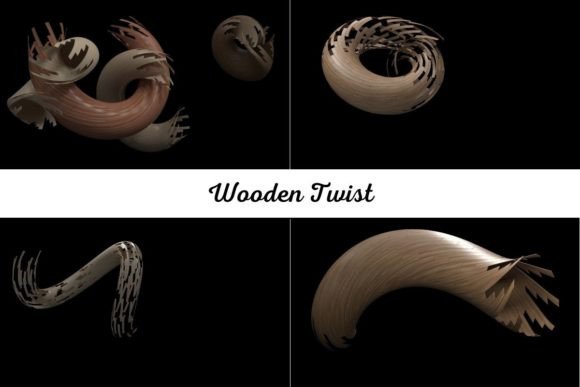
Abstract Wooden Twist: Creative Expression
For professionals, creators, and entrepreneurs, Abstract Wooden Twist offers a unique way to blend artistry with practicality. This innovative approach allows individuals to explore new dimensions of creativity while maintaining functionality in their work or personal projects. Whether you're designing a piece of furniture, crafting a digital layout, or developing a brand identity, Abstract Wooden Twist can provide the inspiration and structure needed to elevate your output.
What Is Abstract Wooden Twist?
Abstract Wooden Twist refers to a design philosophy that merges abstract artistic elements with the natural textures and forms of wood. It’s not just about aesthetics—it's about creating something that feels both modern and grounded. By incorporating organic shapes, fluid lines, and unconventional patterns, this style challenges traditional design norms while staying rooted in the warmth and durability of wood.
Unlike rigid, structured designs, Abstract Wooden Twist embraces imperfection and movement. It invites users to think beyond conventional boundaries, making it ideal for those who want to stand out in a competitive market or express their individuality in a meaningful way.
Why It Matters for Professionals and Creatives
For professionals, Abstract Wooden Twist can be more than just a visual choice—it can influence how ideas are communicated and received. In fields like marketing, graphic design, and product development, the ability to present concepts in a fresh, engaging manner is crucial. Using this style can help differentiate your work from others, making it more memorable and impactful.
Consider a marketer creating a campaign around a new product. By integrating Abstract Wooden Twist elements into the visuals, they can create a narrative that feels authentic and visually compelling. Similarly, a designer working on a website or app interface might use these principles to craft a user experience that feels intuitive yet imaginative.
Enhancing Creativity Through Unconventional Design
One of the most significant benefits of Abstract Wooden Twist is its ability to stimulate creativity. By breaking away from standard design templates, it encourages users to think outside the box. This is especially valuable for entrepreneurs and small business owners who need to constantly innovate to stay ahead.
Imagine a furniture designer experimenting with asymmetrical forms and textured surfaces. The result could be a collection that feels both modern and deeply connected to nature. This kind of creative freedom can lead to breakthroughs that might not have been possible within traditional design constraints.
Practical Applications Across Industries
The versatility of Abstract Wooden Twist makes it applicable in various industries. For educators, it can be used to create engaging lesson plans or classroom environments that inspire curiosity. For freelancers, it offers a way to showcase their portfolio with a unique visual identity that stands out in a crowded market.
In the world of publishing, authors and editors might use this style to design book covers or layouts that capture the essence of a story in a visually striking way. For bloggers, it can enhance the overall look of a website, making content more appealing and easier to navigate.
Supporting Communication and Presentation
Abstract Wooden Twist also plays a role in improving communication. When presenting ideas—whether in a meeting, a pitch, or a proposal—the visual elements used can significantly impact how the message is received. A well-designed presentation that incorporates these principles can make complex ideas more digestible and engaging.
Consider a project manager using a visual board with abstract wooden elements to track progress. The combination of structure and creativity can help team members stay focused while also feeling inspired. This balance between form and function is one of the key strengths of Abstract Wooden Twist.
Who Benefits Most From Abstract Wooden Twist?
Professionals in creative fields such as design, architecture, and digital media will find Abstract Wooden Twist particularly useful. However, its appeal extends beyond these areas. Educators, marketers, and even healthcare professionals can benefit from its ability to foster innovation and improve engagement.
Small business owners looking to build a strong brand identity may also find value in this approach. By using Abstract Wooden Twist in their branding, they can create a unique presence that resonates with their target audience. This is especially important in today’s market, where differentiation is key to success.
Limitations and Considerations
While Abstract Wooden Twist offers many benefits, it’s not always the best fit for every situation. In some cases, overly abstract designs may confuse the audience or dilute the intended message. It’s important to strike a balance between creativity and clarity.
Users should also consider their audience when deciding whether to incorporate this style. For example, a corporate presentation may require a more polished and structured approach, whereas a creative workshop could thrive on the spontaneity of Abstract Wooden Twist. Understanding the context and the needs of the audience is essential for effective implementation.
How to Incorporate Abstract Wooden Twist Into Your Work
Getting started with Abstract Wooden Twist doesn’t require a complete overhaul of your current workflow. Begin by experimenting with small changes, such as adding abstract patterns to your designs or using wooden textures in your digital projects. Over time, you can build upon these ideas to create a more cohesive and impactful style.
For those new to this approach, online resources and design communities can provide valuable insights and inspiration. Many platforms offer tools and templates that make it easy to experiment with different styles and techniques. The key is to remain open to new ideas and willing to adapt as needed.
Real-World Examples and Success Stories
Several companies have successfully integrated Abstract Wooden Twist into their branding and product designs. One notable example is a boutique furniture company that uses this style to create one-of-a-kind pieces that blend modern aesthetics with natural materials. Their unique approach has helped them carve out a niche in a competitive market.
Another example comes from the world of digital design, where a creative agency used Abstract Wooden Twist to develop a series of marketing campaigns. The result was a set of visuals that felt fresh, original, and highly engaging, leading to increased client satisfaction and better results.