Mango Editable 3D Text Effect: A Powerful Tool for Creative Expression
The Mango Editable 3D Text Effect has become a popular choice among designers, marketers, and content creators looking to add a dynamic visual element to their projects. This tool allows users to generate eye-catching 3D text that can be easily customized and integrated into various digital platforms. Whether you're working on a website, social media post, or graphic design, the ability to create and edit 3D text can significantly enhance your creative output.
However, despite its versatility, many users encounter challenges when working with this effect. Understanding how to use it effectively—and avoiding common pitfalls—can make a big difference in the quality of your results.
What Is the Mango Editable 3D Text Effect?
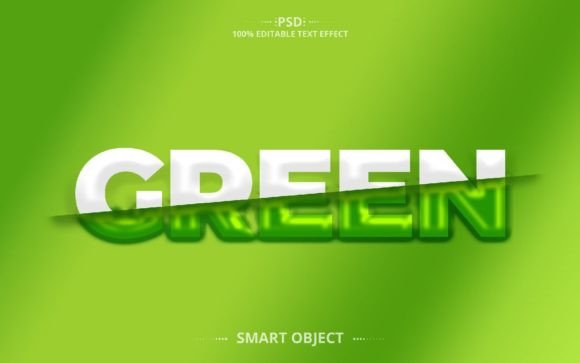
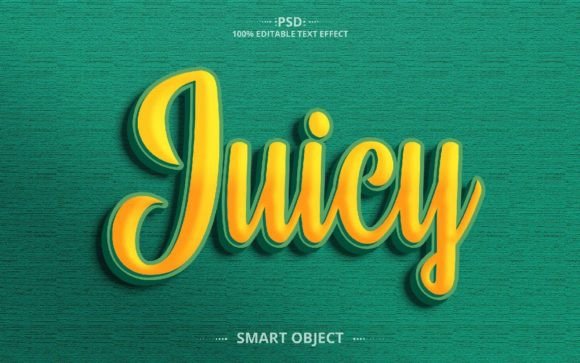
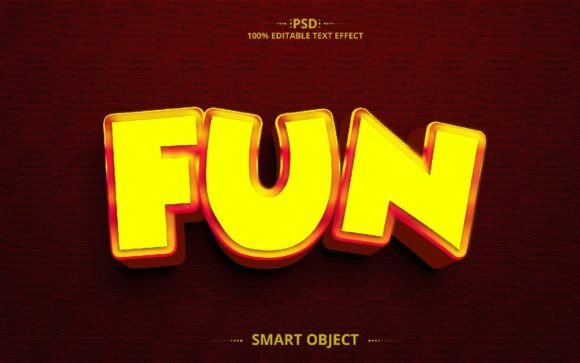
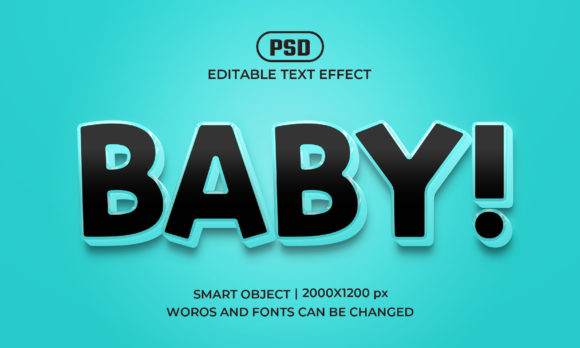
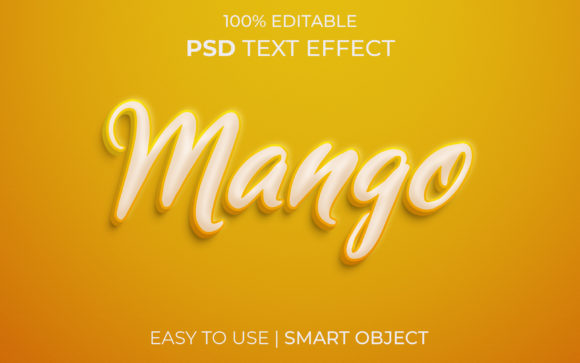
The Mango Editable 3D Text Effect is a digital tool that enables users to generate three-dimensional text with customizable styles, colors, and effects. Unlike traditional 2D text, 3D text adds depth and dimension, making it more visually engaging. This effect is particularly useful for creating logos, banners, advertisements, and other graphical elements that require a modern, high-impact look.
One of the key benefits of this tool is its flexibility. Users can adjust the text’s shape, lighting, shadows, and textures to match their specific needs. Whether you're a beginner or an experienced designer, the Mango Editable 3D Text Effect offers a range of options to suit different skill levels and project requirements.
Common Mistakes When Using the Mango Editable 3D Text Effect
While the Mango Editable 3D Text Effect is powerful, it's easy to make mistakes if you're not careful. One of the most common errors is overcomplicating the design. Many users try to add too many effects, such as excessive lighting, reflections, or animations, which can distract from the main message. A cluttered design often fails to communicate clearly and may reduce the overall impact of your work.
Another frequent mistake is not considering the platform where the text will be displayed. For example, if you're designing for a mobile app, the text must be legible at smaller sizes. If the 3D effect is too intense or the text is too small, it can be difficult to read, leading to a poor user experience.
Additionally, some users overlook the importance of file formats. The Mango Editable 3D Text Effect may generate files in different formats, such as PNG, JPEG, or SVG. Choosing the wrong format can lead to issues with resolution, scalability, or compatibility, especially when using the text in print or on web pages.
How These Mistakes Can Affect Your Work
Overcomplicating the design can result in a visually overwhelming outcome that doesn’t serve the intended purpose. For instance, if you're creating a promotional banner for a product, the 3D text should highlight the product, not overshadow it. A poorly designed 3D text might confuse viewers or fail to convey the message effectively.
Ignoring platform-specific requirements can also lead to usability issues. If the text is too small or too complex for a mobile screen, users may struggle to read it, reducing engagement and potentially harming your brand’s reputation. Similarly, using the wrong file format can cause the text to appear pixelated or distorted, which can damage the professionalism of your work.
Practical Advice for Better Results
To avoid these issues, start by defining the purpose of your 3D text. Ask yourself: What message do I want to convey? Who is my audience? How will this text be used? Answering these questions can help guide your design choices and prevent unnecessary complexity.
When customizing the 3D text, focus on simplicity and clarity. Use subtle lighting and shadows to add depth without overwhelming the viewer. Choose fonts and colors that align with your brand or project theme. Remember, less is often more when it comes to visual design.
Before finalizing your design, test it on different devices and platforms. Ensure that the text remains readable and visually appealing across various screen sizes and resolutions. If possible, preview the text in the context of its final placement to see how it looks in real-world scenarios.
What to Check Before Using the Mango Editable 3D Text Effect
Before diving into the Mango Editable 3D Text Effect, take the time to understand the tool’s features and limitations. Some versions may have restrictions on file size, export options, or customization settings. Knowing these details in advance can save you time and frustration later on.
Also, consider the source of the tool. If you're downloading it from a third-party site, make sure it's reputable and secure. Avoid tools that require unnecessary permissions or have unclear licensing terms. Always read the user agreement and support documentation to ensure you’re using the tool correctly and legally.
Finally, invest time in learning the basics of 3D text design. Familiarize yourself with concepts like lighting, perspective, and composition. This knowledge will help you make informed decisions and achieve better results with the Mango Editable 3D Text Effect.
Conclusion: Make Informed Choices for Better Outcomes
The Mango Editable 3D Text Effect is a valuable tool that can elevate your creative projects, but it requires thoughtful use to maximize its potential. By avoiding common mistakes, focusing on clarity, and testing your designs thoroughly, you can create visually striking and effective 3D text that resonates with your audience.
Remember, the goal of any design is to communicate clearly and engage effectively. With the right approach, the Mango Editable 3D Text Effect can be a powerful asset in your creative toolkit. Take the time to learn, experiment, and refine your skills, and you'll be well on your way to producing professional-quality results.