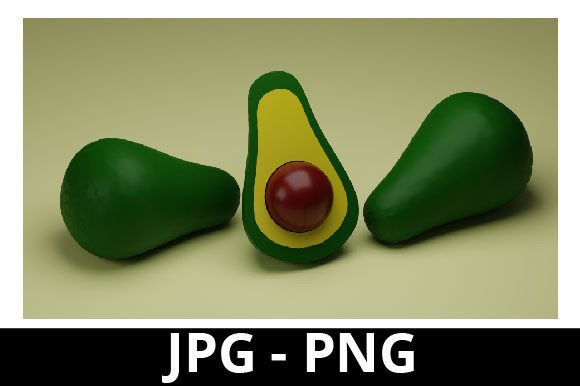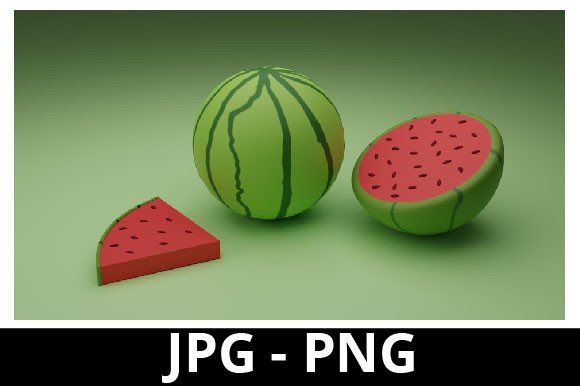
3D Rendered Watermelon for Design Project
3D rendered watermelon for design project is more than just a visual treat—it's a powerful tool that can elevate your creative work. Whether you're working on product design, digital art, or marketing materials, the ability to create a realistic 3D watermelon can add depth, realism, and engagement to your projects. This technique allows designers to showcase intricate details, textures, and lighting effects that are hard to achieve with traditional methods.
As a designer, you might be wondering how this specific element can benefit your workflow. The answer lies in its versatility and the level of detail it offers. From packaging design to virtual environments, 3D rendered watermelon for design project can be used across various industries and applications. It's not just about aesthetics—it's about creating a compelling visual narrative that resonates with your audience.
Key Characteristics of 3D Rendered Watermelon
One of the standout features of 3D rendered watermelon for design project is its ability to mimic real-world physics and materials. With advanced rendering software, you can replicate the smooth, glossy surface of a watermelon, the subtle color gradients, and even the tiny imperfections that make it look authentic. This attention to detail can make a big difference in how your designs are perceived.
Another key characteristic is the flexibility it offers. You can adjust colors, lighting, and perspectives to suit your project's needs. For example, if you're designing a food-related product, a 3D watermelon can help you visualize how the final product will look in different settings. This makes it an invaluable asset during the prototyping and presentation phases.
Practical Applications Across Industries
3D rendered watermelon for design project has a wide range of applications. In the food industry, it's commonly used for packaging design, where a realistic image of a watermelon can attract consumers and communicate the product's freshness. For digital artists, it's a great way to experiment with lighting and composition without the need for physical props.
In educational settings, 3D models like a watermelon can be used to teach students about texture, shading, and perspective. It provides a hands-on approach to learning that is both engaging and informative. Entrepreneurs and marketers can also benefit by using these visuals in social media campaigns, advertisements, or website banners to capture attention and convey brand identity effectively.
Benefits for Designers and Businesses
Using 3D rendered watermelon for design project can significantly improve usability and efficiency. Instead of spending time and resources on physical shoots, designers can quickly generate high-quality images that meet their requirements. This not only saves time but also reduces costs associated with photography and modeling.
From a branding perspective, a well-rendered watermelon can enhance user experience by creating a more immersive and visually appealing interface. Whether it's for a mobile app, a website, or a digital advertisement, the right visuals can make a lasting impression. It also helps in communicating complex ideas in a simple and engaging way, which is crucial in today's fast-paced digital landscape.
Real-World Use Cases and Recommendations
Consider a scenario where a food company wants to launch a new line of fruit-based snacks. By using 3D rendered watermelon for design project, they can create promotional materials that highlight the product's natural ingredients and vibrant appearance. This not only supports their marketing efforts but also aligns with consumer trends that favor healthy and organic options.
For freelance designers, incorporating 3D elements like a watermelon into their portfolio can set them apart from competitors. It demonstrates technical skill and creativity, which can lead to more opportunities and higher client satisfaction. Additionally, sharing these designs on platforms like Behance or Dribbble can increase visibility and attract potential clients.
Things to Consider When Using 3D Rendered Watermelon
While 3D rendered watermelon for design project offers many advantages, it's important to choose the right tools and techniques. The quality of the final output depends on factors like software capabilities, lighting setups, and material choices. Investing in reliable rendering software and learning best practices can make a significant difference in the outcome.
It's also essential to consider the context in which the design will be used. A watermelon rendered for a luxury food brand may require a different style compared to one used in a children's product. Understanding your target audience and tailoring the visuals accordingly can maximize the impact of your work.
Finally, always test your designs in different environments to ensure they look good across various devices and platforms. This helps maintain consistency and professionalism, which are critical for any design project.