3D Illustration of Calculator Design: A Strategic Tool for Clarity and Impact
In today’s visually driven world, the ability to communicate complex ideas clearly and effectively is a critical asset. One powerful method that has gained traction across industries is the 3D Illustration of Calculator Design. This approach goes beyond traditional two-dimensional representations, offering a dynamic way to visualize, explain, and refine calculator concepts. Whether you're an entrepreneur, designer, educator, or decision-maker, understanding how to leverage this tool can enhance your strategic thinking and improve outcomes.
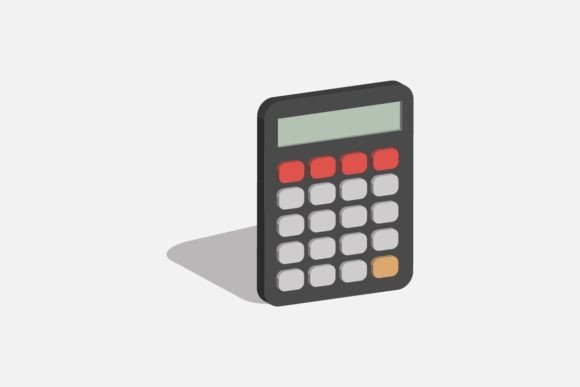
The 3D Illustration of Calculator Design is more than just a visual aid—it's a structured representation that helps break down the components, functionality, and aesthetics of a calculator in a way that is both intuitive and engaging. By using three-dimensional modeling, designers and developers can explore form, function, and user interaction with greater precision. This level of detail can be especially valuable when presenting ideas to stakeholders, refining product features, or training users on how a calculator operates.
Strategic Value of 3D Illustration of Calculator Design
When used thoughtfully, the 3D Illustration of Calculator Design serves as a bridge between abstract concepts and tangible results. It allows teams to identify potential issues early in the design process, test different configurations, and make informed decisions based on visual feedback. For example, a marketing team might use a 3D illustration to showcase a new calculator model to potential customers, highlighting its sleek design and advanced features in a way that static images cannot achieve.
From a planning perspective, the 3D Illustration of Calculator Design supports better goal alignment. It provides a shared reference point that ensures everyone involved—whether designers, engineers, or business leaders—has a clear understanding of the project’s direction. This clarity reduces miscommunication, streamlines workflows, and increases the likelihood of successful execution.
When to Use 3D Illustration of Calculator Design
The 3D Illustration of Calculator Design is most effective when used in specific scenarios that require visual explanation, iteration, or stakeholder engagement. Consider using it during the following stages:
- Concept Development: When brainstorming new calculator designs, a 3D illustration can help visualize different layouts, button placements, and screen sizes.
- Prototyping: Before producing physical prototypes, a 3D model can be tested for usability, ergonomics, and aesthetic appeal.
- Marketing and Sales: High-quality 3D illustrations can be used in product presentations, advertisements, and e-commerce listings to attract attention and convey value.
- Training and Education: For educators or trainers, a 3D illustration can simplify complex operations, making it easier for students or users to understand how a calculator works.
By integrating the 3D Illustration of Calculator Design into these processes, you can create a more efficient and impactful workflow that aligns with your broader objectives.
Approaching 3D Illustration of Calculator Design with Intention
While the 3D Illustration of Calculator Design offers many benefits, it’s important to approach it with a clear purpose. Without a defined goal, the effort may become unfocused and fail to deliver meaningful results. Start by asking: What do I want to achieve with this illustration? Is it to inform, persuade, educate, or innovate?
Consider the audience you’re targeting. If you’re creating a 3D illustration for internal stakeholders, focus on technical details and functional aspects. If the audience is end-users or customers, emphasize simplicity, usability, and visual appeal. Tailoring the illustration to the needs of the viewer ensures that it resonates and drives the desired outcome.
Additionally, think about the tools and software you’ll use. Popular options include Blender, SketchUp, and Cinema 4D, each offering different levels of complexity and customization. Choose a platform that matches your skill level and project requirements. Investing time in learning these tools can significantly enhance the quality and effectiveness of your work.
Practical Examples and Use Cases
Let’s look at a few real-world examples where the 3D Illustration of Calculator Design has made a difference:
- Product Launches: A tech startup used a 3D illustration to demonstrate a new scientific calculator to investors. The visual helped convey the device’s advanced capabilities and unique features, leading to increased funding and support.
- Educational Tools: An online learning platform incorporated 3D illustrations of calculators into their math curriculum. Students could interact with the models to see how different functions worked, improving comprehension and engagement.
- Brand Positioning: A well-known calculator brand updated its product line with a modern, minimalist design. Their 3D illustrations emphasized the sleek aesthetics and intuitive interface, reinforcing their brand identity and attracting a new customer base.
These examples highlight how the 3D Illustration of Calculator Design can be strategically applied to achieve specific goals, whether in business, education, or branding.
Risks of Using 3D Illustration of Calculator Design Without Clarity
Despite its advantages, the 3D Illustration of Calculator Design can lead to inefficiencies if used without clear intent. For instance, creating a detailed 3D model without a defined purpose may result in wasted resources and confusion. Similarly, relying too heavily on visuals without supporting data or context can mislead stakeholders or obscure the actual value of the design.
Another risk is overcomplicating the illustration. A highly detailed 3D model may distract from the core message or make it harder for the audience to grasp the key points. It’s essential to strike a balance between visual appeal and clarity. Always ask: Does this illustration serve a specific need, or is it just for show?
Long-Term Benefits of Intentional Use
When used intentionally, the 3D Illustration of Calculator Design can contribute to long-term success in several ways. It supports continuous improvement by enabling iterative design and testing. It enhances collaboration by providing a common visual language that all team members can reference. And it strengthens customer relationships by offering a more engaging and informative experience.
Moreover, the 3D Illustration of Calculator Design can be a valuable asset in competitive markets. As consumers become more discerning, the ability to present products in a compelling and informative way can set your offerings apart. Whether you’re launching a new product, refining an existing one, or communicating with stakeholders, a well-crafted 3D illustration can add significant value.
Conclusion: Making the Most of 3D Illustration of Calculator Design
The 3D Illustration of Calculator Design is more than a visual tool—it’s a strategic resource that can enhance decision-making, communication, and results. By approaching it with intention, clarity, and a focus on practical application, you can unlock its full potential. Whether you’re designing a new calculator, explaining a concept, or building a brand, the right 3D illustration can make all the difference.