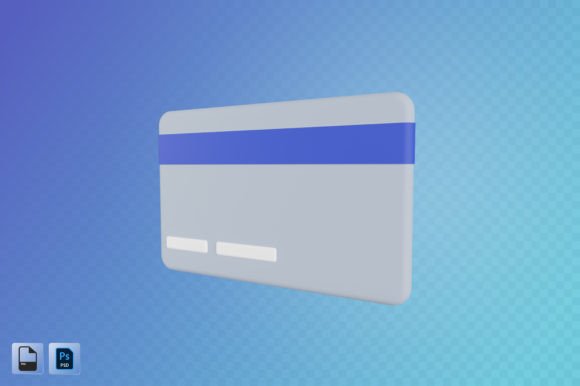
3D Credit Card Illustration: A Modern Design Tool
In today's fast-paced digital world, visual communication plays a vital role in capturing attention and conveying messages effectively. One innovative tool that has gained traction is the 3D credit card illustration. This technique offers a dynamic way to present financial information, branding elements, and design concepts with depth, realism, and interactivity. Whether you're a designer, marketer, or business owner, understanding how to use 3D credit card illustrations can open up new possibilities for your projects.
What Is a 3D Credit Card Illustration?
A 3D credit card illustration is a digital representation of a credit card that uses three-dimensional modeling to create a realistic, layered appearance. Unlike flat, two-dimensional designs, this approach adds texture, shadows, and perspective to make the card look more tangible and engaging. It’s commonly used in marketing materials, website banners, and product showcases to highlight features like embossed logos, holographic effects, or security elements.
The appeal of 3D credit card illustrations lies in their ability to blend aesthetics with functionality. They can be used to demonstrate how a card might look in real life, making it easier for users to visualize its design before production. This is especially useful for businesses looking to test different layouts or branding strategies without the cost of physical prototypes.
Key Characteristics of 3D Credit Card Illustrations
Several features define the effectiveness of a 3D credit card illustration. First, the level of detail matters. High-quality models include accurate textures, such as the subtle grain of cardstock, the shine of a metallic foil, or the contrast of a raised logo. These details contribute to a more immersive experience and help reinforce brand identity.
Another important aspect is lighting and shadowing. Properly applied, these elements add depth and dimension, making the card appear more lifelike. For example, a well-lit illustration can emphasize the embossed elements on the card, drawing attention to key features like the cardholder's name or the card’s security code.
Interactivity is another growing trend. Some 3D illustrations are designed to rotate, zoom, or flip, allowing viewers to explore the card from multiple angles. This feature is particularly valuable for online presentations, where engagement and user experience are critical factors.
Practical Applications Across Industries
The versatility of 3D credit card illustrations makes them applicable in various settings. In the financial sector, banks and fintech companies often use these illustrations to showcase new card designs, promotional offers, or loyalty programs. By presenting the card in a visually compelling way, they can better communicate the value of their services to customers.
For entrepreneurs and small businesses, 3D credit card illustrations can serve as a cost-effective alternative to physical samples. Instead of producing multiple prototypes, designers can create digital versions that can be shared instantly with clients or stakeholders. This streamlines the approval process and reduces development time.
Educators and students in design or business courses may also benefit from using 3D credit card illustrations. They provide a hands-on way to teach principles of graphic design, branding, and user experience. By experimenting with different styles and layouts, learners can gain a deeper understanding of how visual elements influence perception and decision-making.
Benefits for Users and Businesses
One of the main advantages of 3D credit card illustrations is their ability to enhance user engagement. Studies show that visually rich content tends to hold attention longer than plain text or static images. By incorporating a 3D illustration into a website, app, or marketing campaign, businesses can increase the likelihood of conversions and customer interactions.
From a usability standpoint, 3D illustrations can simplify complex information. For instance, a card with multiple security features—like chip technology, contactless payment options, or biometric verification—can be visually broken down in a way that’s easy to understand. This clarity can reduce confusion and improve the overall user experience.
Branding is another area where 3D credit card illustrations shine. A well-designed illustration can reinforce a company’s identity by highlighting consistent color schemes, typography, and design elements. This helps build recognition and trust among consumers, which is crucial in competitive markets.
Considerations When Using 3D Credit Card Illustrations
While 3D credit card illustrations offer many benefits, there are practical considerations to keep in mind. The quality of the final output depends heavily on the tools and skills used to create it. Professionals often rely on software like Adobe Illustrator, Blender, or Cinema 4D to produce high-resolution models. However, beginners may find the learning curve steep and the time investment significant.
File size and compatibility are also important factors. Large 3D files can slow down websites or apps, leading to poor performance. To avoid this, it’s essential to optimize the illustration for web use, ensuring it loads quickly without sacrificing quality. Additionally, some platforms may not support interactive 3D elements, so it’s wise to test the illustration across different devices and browsers.
Finally, legal and ethical concerns should not be overlooked. If the illustration includes real card designs or proprietary elements, permission from the relevant parties may be required. This is especially true when creating mockups for commercial purposes or public distribution.
Getting Started With 3D Credit Card Illustrations
If you’re interested in exploring 3D credit card illustrations, start by identifying your goals. Are you designing for a client, promoting a product, or teaching a class? Once you have a clear purpose, choose the right tools and resources. Online tutorials, design communities, and stock libraries can provide valuable guidance and inspiration.
Experimentation is key. Try different styles, lighting setups, and animation techniques to see what works best for your project. Don’t be afraid to iterate and refine your work based on feedback. As you gain confidence, you’ll be able to create more sophisticated and impactful illustrations that meet both aesthetic and functional needs.
Ultimately, 3D credit card illustrations are more than just a visual gimmick—they’re a powerful tool for communication, creativity, and business strategy. Whether you’re a seasoned designer or a curious beginner, embracing this technique can elevate your work and open up new opportunities in an increasingly visual world.