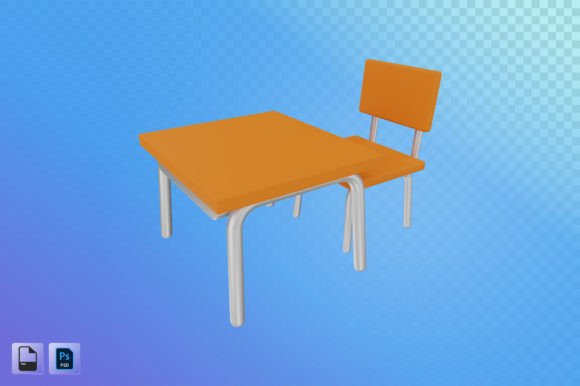
Setting 3D Illustration
Setting 3D illustration has become a powerful tool in the graphic design world, offering a dynamic way to communicate ideas and elevate visual storytelling. By adding depth and dimension to digital artwork, it creates a more immersive experience for audiences, making it an essential component in modern visual design.
Whether you're working on branding, marketing, or web design, understanding how to leverage 3D illustration can significantly enhance your creative projects. It allows for greater flexibility in composition, helping designers create more engaging and memorable visuals that stand out in a crowded digital space.
Applications in Visual Design
From logo design to editorial layouts, 3D illustration finds its place in numerous creative fields. In branding, it can add a unique touch to logos, making them more distinctive and visually compelling. For social media graphics, 3D elements bring a fresh perspective, capturing attention and encouraging interaction.
In UI design, 3D illustrations can guide user navigation and improve overall user experience. They provide a sense of depth that helps users understand the structure of an interface more intuitively. Similarly, in packaging design, 3D visuals can make products more attractive on shelves, reinforcing brand identity and consumer appeal.
Key Considerations for Effective Use
When integrating 3D illustration into your work, consider factors like consistency, scalability, and visual hierarchy. A well-crafted 3D element should align with your overall design system and maintain coherence across all platforms. It should also be scalable without losing quality, ensuring it looks sharp on both mobile and desktop screens.
Readability is another crucial aspect. While 3D effects can be visually striking, they shouldn't compromise the clarity of the message. Balancing aesthetics with functionality ensures that your designs are not only beautiful but also effective in conveying the intended information.
- Choose 3D assets that match your brand's color palette and typography
- Ensure the illustration complements other visual elements in the design
- Test the 3D effect across different devices and screen sizes
Typography and color play a significant role in enhancing 3D illustrations. The right font choice can reinforce the mood of the design, while a carefully selected color scheme adds depth and contrast. These elements work together to create a cohesive and professional look that resonates with your target audience.
For digital marketing campaigns, 3D illustrations can help break up text-heavy content, making it more engaging and easier to digest. They are especially useful in presentations, where visual aids can support key messages and keep the audience focused.
In creative projects, 3D illustration offers endless possibilities for experimentation. Whether you're designing merchandise, digital products, or advertising materials, it provides a versatile medium that can adapt to various styles and formats. This flexibility makes it a valuable addition to any designer's toolkit.
By thoughtfully incorporating 3D illustration into your workflow, you can elevate the quality of your designs and create more impactful visual experiences. It’s not just about aesthetics—it’s about building stronger connections between your brand and your audience through thoughtful, professional presentation.