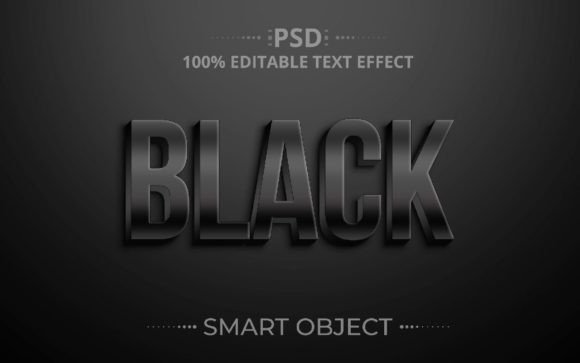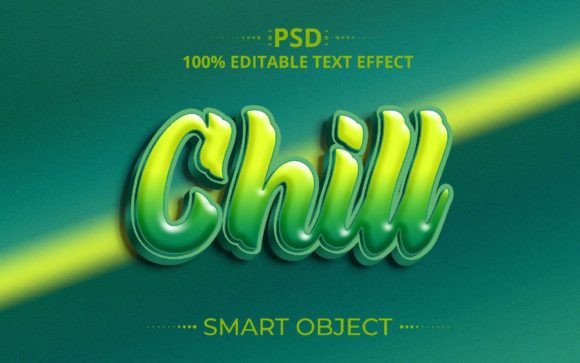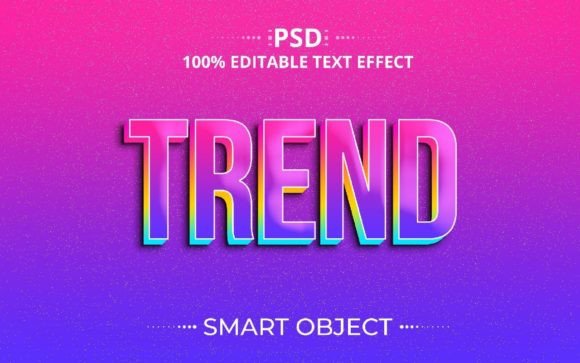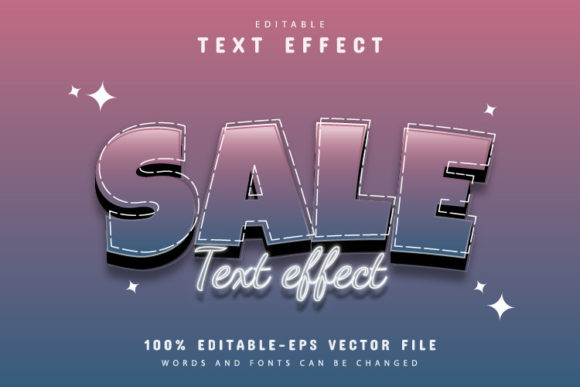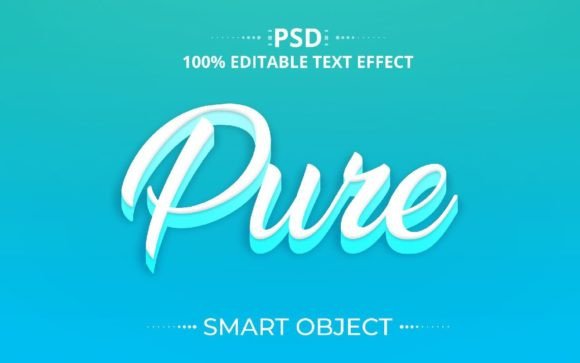
Pure 3D PSD Text Effect Design: Elevating Digital Typography
Creating visually striking text in digital design often requires more than just a font choice. Pure 3D PSD Text Effect Design offers a powerful way to transform simple text into dynamic, eye-catching elements that can enhance any visual project. Whether you're working on a logo, social media graphic, or website header, understanding how to apply 3D text effects in Photoshop can significantly elevate your work.
The process involves using layers, blending modes, and 3D tools within Adobe Photoshop to give text depth, texture, and dimensionality. This technique allows designers to create realistic or stylized text that stands out in a sea of flat designs. By mastering these techniques, you can add a professional touch to your creative projects without relying on external software or plugins.
Key Characteristics of 3D Text Effects in Photoshop
One of the defining features of Pure 3D PSD Text Effect Design is its ability to simulate three-dimensional depth through layer styles and 3D modeling tools. This effect is achieved by extruding the text, adding lighting, and applying textures that mimic real-world materials like metal, glass, or wood. The result is a text element that appears to pop off the screen, drawing attention and enhancing the overall aesthetic of the design.
Another characteristic is the flexibility it offers. You can adjust the angle, lighting, and perspective of the text to fit different layouts and compositions. This adaptability makes 3D text effects suitable for a wide range of applications, from branding to editorial design. Additionally, the use of gradients and shadows helps to reinforce the illusion of depth, making the text feel more integrated with the surrounding elements.
Advantages of Using 3D Text Effects in Design Projects
There are several advantages to incorporating 3D text effects into your design workflow. One major benefit is the ability to create a strong visual hierarchy. By making certain text elements stand out through depth and lighting, you can guide the viewer's eye toward important information or key messages. This is particularly useful in marketing materials, where clarity and impact are essential.
Another advantage is the versatility of the technique. 3D text effects can be used in both digital and print media, making them a valuable tool for designers who work across multiple platforms. Whether you're designing a website banner or a magazine cover, the same principles apply, allowing for consistent visual language throughout your projects.
Additionally, 3D text effects can help differentiate your work from others. In a competitive design landscape, standing out is crucial. By using unique text effects, you can create a signature style that sets your work apart and showcases your technical skills and creativity.
Practical Use Cases for 3D Text Effects
Many professionals across various industries use 3D text effects to enhance their work. For example, in the field of graphic design, 3D text is commonly used in logo creation, where depth and dimensionality can make a brand’s identity more memorable. In web design, 3D text effects are often applied to headers and call-to-action buttons to increase user engagement and visual interest.
In the realm of video game design, 3D text effects are used to create immersive environments and UI elements that blend seamlessly with the game world. Similarly, in advertising, 3D text can be used to highlight product names or slogans, making them more prominent and impactful. These applications demonstrate the broad relevance of 3D text effects across different creative disciplines.
For educators and students, learning how to apply 3D text effects can be an excellent way to develop technical skills and deepen their understanding of design principles. By experimenting with different styles and techniques, they can explore the possibilities of digital typography and gain confidence in their creative abilities.
Considerations When Implementing 3D Text Effects
While 3D text effects offer many benefits, there are also some considerations to keep in mind. One common challenge is ensuring that the text remains legible. Overly complex effects or excessive lighting can make the text difficult to read, especially at smaller sizes. It's important to strike a balance between visual appeal and functionality.
Another consideration is file size. 3D text effects can increase the complexity of a Photoshop file, which may affect performance, especially when working with large projects. To mitigate this, it's advisable to optimize layers and use smart objects where possible, ensuring that the file remains manageable and efficient.
Finally, the choice of color and texture plays a significant role in the success of a 3D text effect. Selecting colors that complement the overall design and textures that enhance the depth of the text can make a big difference in the final outcome. Experimentation and iteration are key to achieving the desired result.
Exploring Creative Workflows with 3D Text Effects
Designers can approach 3D text effects in various ways depending on their goals and preferences. Some may start by creating a basic 3D shape and then adding textures and lighting to achieve the desired look. Others may use pre-made 3D models or custom brushes to speed up the process and add unique details.
A common workflow involves using the 3D tools in Photoshop to extrude the text, apply materials, and adjust the lighting settings. This method allows for precise control over the appearance of the text and can produce highly realistic results. Alternatively, some designers may use third-party plugins or scripts to streamline the process and access additional features.
Regardless of the method used, the key is to maintain a clear vision of the final outcome. By planning the design ahead of time and experimenting with different options, you can ensure that the 3D text effect enhances the overall composition rather than detracting from it.
Future Trends in 3D Text Design
As design trends continue to evolve, the use of 3D text effects is likely to become even more prevalent. With advancements in technology, such as improved 3D rendering capabilities and more intuitive design tools, creating complex text effects will become more accessible to a wider audience.
Additionally, the growing popularity of augmented reality (AR) and virtual reality (VR) is opening new opportunities for 3D text design. In these immersive environments, text must not only be visually appealing but also functional and easy to read. This presents exciting challenges and possibilities for designers looking to push the boundaries of digital typography.
As the demand for visually engaging content continues to rise, the importance of 3D text effects in design will only increase. By staying informed about emerging trends and continuously refining their skills, designers can remain at the forefront of this evolving field.