Exploring the 3D Heart Mandala Layered SVG Cut File: A Creative and Technical Journey
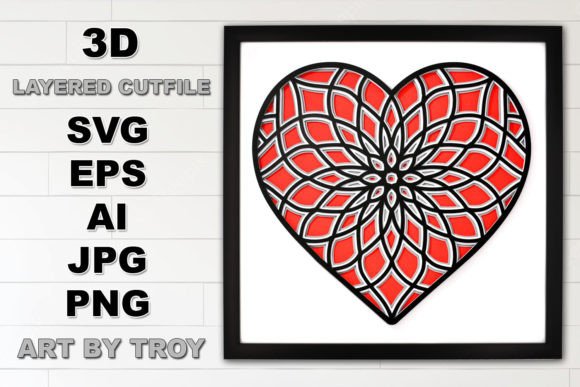
The 3D Heart Mandala Layered SVG Cut File represents a fusion of artistic design and digital precision, offering a versatile tool for creators across various disciplines. This intricate file format allows users to generate complex patterns that can be cut, printed, or manipulated in multiple mediums. Its layered structure provides depth and dimension, making it ideal for both aesthetic and functional applications.
At its core, the 3D Heart Mandala Layered SVG Cut File is built using Scalable Vector Graphics (SVG), a standard format for vector-based images. Unlike raster formats such as PNG or JPEG, SVG files maintain clarity at any scale, ensuring that every detail remains sharp regardless of size. This characteristic makes them particularly useful for projects requiring high-resolution output, such as signage, engraving, or custom apparel.
Understanding the Structure of the 3D Heart Mandala
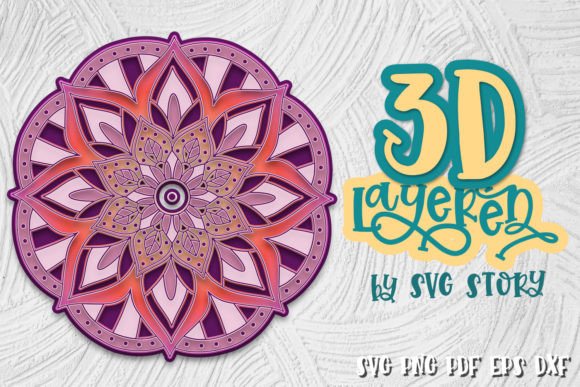
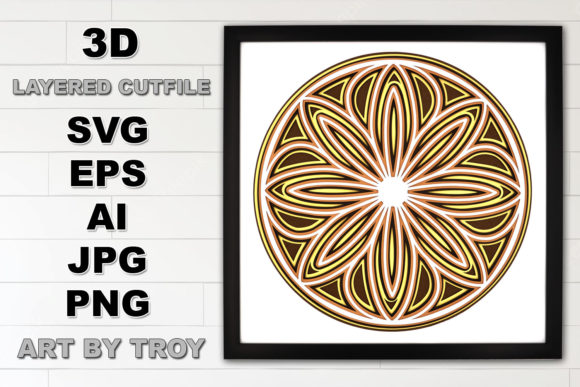
The 3D Heart Mandala is composed of multiple layers, each contributing to the overall visual effect. These layers can include elements like heart shapes, geometric patterns, and mandala designs, all arranged in a way that creates an illusion of depth. The use of gradients, shadows, and overlapping shapes enhances the three-dimensional appearance, making the design visually engaging.
One of the key features of this cut file is its modularity. Users can adjust individual layers to customize the design according to their needs. For instance, a designer might choose to remove certain elements to simplify the pattern or add additional layers to increase complexity. This flexibility allows the 3D Heart Mandala to adapt to different creative contexts, from digital art to physical crafts.
Applications Across Industries
The versatility of the 3D Heart Mandala Layered SVG Cut File extends beyond traditional art forms. In the field of graphic design, it serves as a powerful tool for creating logos, illustrations, and branding materials. Its detailed structure enables designers to incorporate symbolic elements that resonate with specific audiences, such as love, unity, or spiritual growth.
In the realm of craft and DIY projects, the cut file proves invaluable. Enthusiasts can use it to create personalized items like wall art, greeting cards, or home décor. With the help of laser cutters or vinyl cutters, these designs can be transferred onto various surfaces, including wood, metal, and fabric. This accessibility makes the 3D Heart Mandala an attractive option for hobbyists looking to experiment with new techniques.
Educators and researchers also find value in this design. In classrooms, it can be used to teach students about geometry, symmetry, and digital design principles. By analyzing the layers and components of the mandala, learners gain a deeper understanding of how complex patterns are constructed. Additionally, researchers studying cultural symbols may use the 3D Heart Mandala as a reference point for exploring the intersection of art and spirituality.
Advantages of Using SVG Cut Files
One of the primary benefits of the 3D Heart Mandala Layered SVG Cut File is its compatibility with a wide range of software and tools. Designers can open and edit the file using programs like Adobe Illustrator, Inkscape, or CorelDRAW, which offer advanced features for manipulating vector graphics. This adaptability ensures that users can work within their preferred environment without sacrificing quality or functionality.
Another advantage is the ease of sharing and distributing the file. Because SVG files are lightweight and universally supported, they can be easily shared via email, cloud storage, or online marketplaces. This convenience makes the 3D Heart Mandala accessible to a broad audience, from independent artists to large-scale manufacturers.
Moreover, the non-destructive nature of SVG files means that changes can be made without altering the original design. This feature is especially beneficial when working on collaborative projects or when experimenting with different variations of the same concept. Users can save multiple versions of the file, allowing for greater flexibility and creativity.
Considerations for Effective Use
While the 3D Heart Mandala Layered SVG Cut File offers numerous benefits, there are several factors to consider when using it. First, users should ensure that their software supports SVG files and that they have the necessary tools for editing and exporting the design. Some platforms may have limitations in terms of color handling, layer management, or export options, which could affect the final outcome.
Additionally, the complexity of the design may impact performance, especially when working with large or highly detailed files. Users with less powerful hardware may experience slower processing times or reduced responsiveness. To mitigate this, it's advisable to optimize the file by simplifying unnecessary elements or reducing the number of layers where possible.
Finally, it's important to respect the intellectual property rights associated with the 3D Heart Mandala. While many SVG files are available for free or under open licenses, others may require attribution or payment for commercial use. Users should always verify the licensing terms before incorporating the design into their projects.
Real-World Examples and Observations
Several real-world examples illustrate the practical applications of the 3D Heart Mandala Layered SVG Cut File. In the fashion industry, designers have used similar patterns to create unique textile prints, adding a touch of elegance and symbolism to garments. These designs often appeal to customers seeking personalized or meaningful clothing items.
In the event planning sector, the 3D Heart Mandala has been incorporated into wedding invitations, centerpieces, and decor. Its intricate details and romantic theme make it a popular choice for couples looking to infuse their special day with artistic flair. Event planners appreciate the ability to customize the design to match the overall aesthetic of the venue or theme.
Artists and illustrators have also embraced the 3D Heart Mandala as a source of inspiration. By deconstructing and reinterpreting the layers, they create new compositions that reflect their personal style while maintaining the essence of the original design. This process not only showcases the versatility of the cut file but also highlights the potential for innovation within structured frameworks.