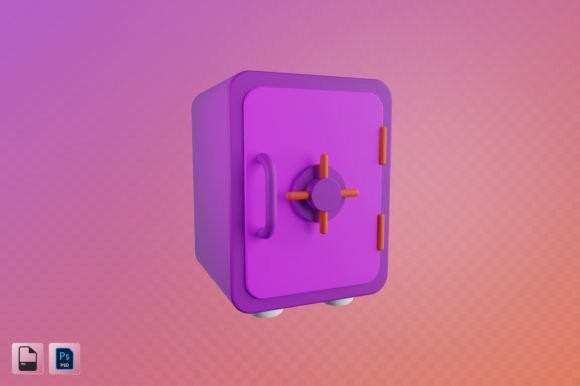
Deposit Box 3D Illustration: A New Dimension in Visual Communication
In an era where visual content dominates digital engagement, the need for innovative and compelling imagery has never been more critical. One of the most intriguing developments in this space is the Deposit Box 3D Illustration, a concept that blends functionality with artistic expression. This evolving trend is reshaping how businesses, creators, and consumers interact with digital media, offering a fresh perspective on design, branding, and user experience.
The Deposit Box 3D Illustration isn't just about creating a box in three dimensions—it's about reimagining how objects can be represented in a digital world. By leveraging advanced 3D modeling techniques, designers are crafting highly detailed, interactive, and visually engaging representations of deposit boxes that go beyond traditional 2D graphics. These illustrations are not only aesthetically pleasing but also serve as powerful tools for communication, marketing, and product visualization.
The Rise of 3D Illustration in Modern Design
The shift toward 3D illustration is part of a broader movement in the design industry. As digital platforms become more sophisticated, so do the expectations of users. Static images no longer suffice; audiences crave dynamic, immersive experiences. This is where Deposit Box 3D Illustration comes into play, offering a way to present complex ideas in a clear and engaging manner.
From e-commerce to financial services, industries are recognizing the value of 3D visuals. For instance, online retailers use 3D product models to give customers a better sense of size, texture, and detail. Similarly, financial institutions are adopting 3D illustrations to explain abstract concepts like deposits, investments, and security features in a more tangible way.
This trend aligns with the growing demand for visual storytelling. In a world where attention spans are short, a well-crafted 3D illustration can convey information more effectively than text alone. It allows brands to communicate their message with clarity and creativity, making it easier for audiences to connect with their offerings.
Why Deposit Box 3D Illustration Matters
At its core, the Deposit Box 3D Illustration represents a shift in how we perceive and interact with physical objects in a digital context. It’s not just about aesthetics—it’s about utility, understanding, and engagement. For professionals and entrepreneurs, this means a new tool for communicating complex ideas in a way that resonates with modern audiences.
Consider the financial sector, where trust and transparency are paramount. A Deposit Box 3D Illustration can visually demonstrate the security features of a digital wallet or a secure payment system. It can show how data is encrypted, how transactions are processed, and how user information is protected. This level of detail builds confidence and fosters a deeper connection between the brand and the consumer.
For creators and designers, the Deposit Box 3D Illustration offers a unique opportunity to experiment with form, function, and narrative. It allows them to push the boundaries of what is possible in digital art, blending realism with imagination. Whether used in advertising, educational content, or interactive media, these illustrations have the potential to captivate and inform in equal measure.
Meeting Changing Needs and Expectations
The rise of Deposit Box 3D Illustration reflects a broader shift in consumer behavior and business strategy. Today’s audiences expect more from the content they consume. They want visuals that are not only beautiful but also informative, interactive, and relevant. This has led to a growing demand for high-quality, context-aware design solutions.
Businesses are increasingly investing in 3D illustration to stand out in crowded markets. A Deposit Box 3D Illustration can differentiate a brand by showcasing its commitment to innovation and quality. It signals to customers that the company is forward-thinking and invested in delivering exceptional experiences.
Moreover, the trend aligns with the growing emphasis on user-centered design. As more people engage with digital interfaces, the need for intuitive, accessible, and visually appealing content has never been greater. 3D illustrations help bridge the gap between complex concepts and user understanding, making them an essential part of modern design practices.
Practical Applications and Real-World Examples
The Deposit Box 3D Illustration is finding applications across a wide range of industries. In the realm of fintech, for example, companies are using 3D visuals to explain how digital banking works. These illustrations break down the process of depositing funds, transferring money, and managing accounts into digestible, engaging content.
Another area where Deposit Box 3D Illustration is gaining traction is in education. Teachers and educators are using 3D visuals to teach students about financial literacy, data security, and digital transactions. By presenting these topics in a visual and interactive format, learners are able to grasp complex ideas more easily.
Even in the creative industries, the Deposit Box 3D Illustration is proving to be a valuable asset. Graphic designers, animators, and multimedia artists are incorporating 3D elements into their work to create more dynamic and immersive experiences. Whether it’s for a website, a mobile app, or a social media campaign, these illustrations add depth and dimension that static images simply cannot match.
Looking Ahead: The Future of 3D Illustration
As technology continues to evolve, the role of Deposit Box 3D Illustration is likely to expand even further. With advancements in augmented reality (AR), virtual reality (VR), and interactive web design, 3D visuals are becoming more integrated into everyday digital experiences. This opens up new possibilities for how brands and creators can engage with their audiences.
Furthermore, the increasing availability of 3D design tools is making it easier for professionals and enthusiasts alike to create high-quality illustrations. This democratization of design is driving innovation and fostering a culture of experimentation. As more people adopt 3D illustration, the industry will continue to grow and adapt to new trends and demands.
In the coming years, the Deposit Box 3D Illustration may evolve into something even more dynamic—perhaps integrating real-time data, user interactions, or AI-driven personalization. Whatever the future holds, one thing is clear: 3D illustration is no longer a niche trend. It’s a fundamental part of the digital landscape, shaping how we communicate, learn, and interact with the world around us.