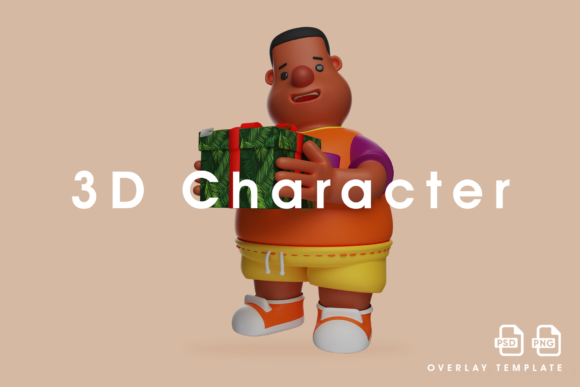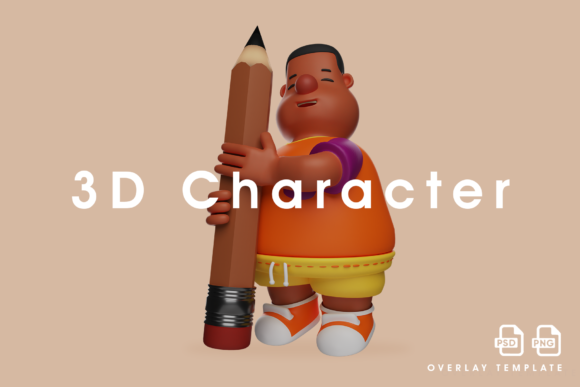
Creating a 3D Big Boy Cartoon Design with Pencil and Digital Tools
Designing a 3D Big Boy cartoon character can be an exciting and rewarding project for both beginners and experienced artists. This article will guide you through the process of creating a 3D cartoon design using traditional pencil sketches and digital tools. Whether you're interested in animation, game design, or simply exploring your creativity, understanding how to bring a 3D character to life is a valuable skill.
Understanding the Concept of a 3D Big Boy Cartoon
A 3D Big Boy cartoon typically refers to a stylized, exaggerated representation of a large, friendly character often used in children's media, animated series, or video games. The term "Big Boy" suggests a character that is larger than life—both in size and personality. These characters are designed to be approachable, fun, and visually engaging.
The purpose of such a design is to create a memorable and recognizable figure that can be used across various platforms. From merchandise to digital content, a well-designed 3D character can become a brand icon.
Why Create a 3D Big Boy Cartoon?
There are several reasons why someone might want to create a 3D Big Boy cartoon:
- Entertainment: Cartoons are a popular form of entertainment, especially for children. A well-designed character can become a favorite among audiences.
- Education: Cartoon characters can be used in educational content to make learning more engaging and interactive.
- Marketing: Companies often use cartoon characters to build brand recognition and connect with their target audience.
- Creativity: Designing a character allows artists to express their creativity and develop their skills in 3D modeling and animation.
The Process of Creating a 3D Big Boy Cartoon
Creating a 3D cartoon involves several steps, starting from concept sketching to final rendering. Let’s break down the process into manageable stages.
Step 1: Concept Sketching with Pencil
The first step in designing any character is to create a concept sketch. This is where you start with simple pencil drawings to explore different ideas and shapes. For a Big Boy cartoon, you might begin by drawing a basic human-like figure but with exaggerated features such as large eyes, a big smile, and a round body.
When sketching, consider the following:
- Proportions: Decide on the character's proportions. A Big Boy might have a larger head and body compared to standard human figures.
- Facial Expressions: Experiment with different expressions to convey emotion and personality.
- Stylization: Add unique elements like oversized limbs, a comically large nose, or a big hat to make the character stand out.
This stage is all about exploration. Don’t worry about perfection—focus on capturing the essence of the character.
Step 2: Refining the Design
Once you have a rough sketch, it's time to refine the design. This involves adding more details and ensuring that the character has a consistent look. You might add clothing, accessories, or other elements that define the character’s personality.
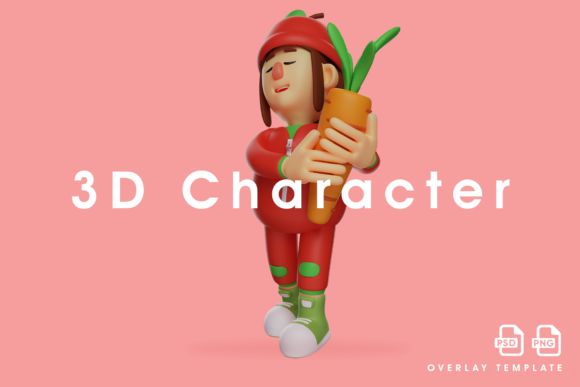
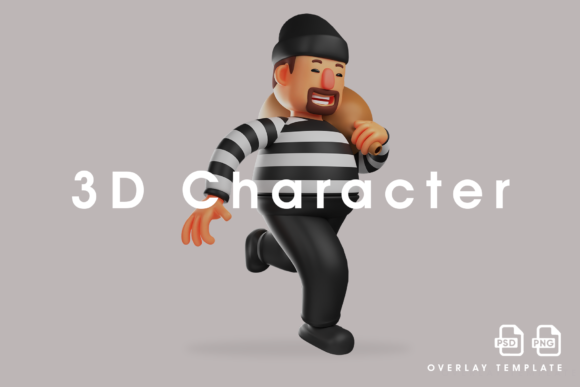
For example, a Big Boy cartoon could be dressed in a colorful outfit, have a playful accessory like a hat or a toy, or even wear glasses to add a quirky touch. These details help to give the character depth and uniqueness.
Step 3: Transitioning to Digital Tools
After refining your pencil sketch, you can move to digital tools to create a 3D version of your character. Software like Blender, Maya, or 3ds Max are commonly used for 3D modeling. These programs allow you to turn your 2D concept into a fully realized 3D model.
Here’s a brief overview of what you’ll do in this stage:
- Modeling: Use digital tools to create a 3D mesh that represents your character’s shape.
- Texturing: Apply colors and patterns to the model to give it a realistic or stylized appearance.
- Animation: If desired, you can animate your character to bring it to life in motion.
Many artists also use software like Photoshop or Procreate to add textures and color before moving to 3D modeling.
The Role of 3D Cartoon Designs in Modern Life
3D cartoon designs are not just for entertainment—they play a significant role in modern life. Here are some ways they impact different areas:
Entertainment and Media
Cartoon characters are a staple of television, movies, and streaming platforms. Shows like Tom and Jerry or Looney Tunes have entertained audiences for decades. A 3D Big Boy cartoon can be part of a new series or a revival of classic characters.
Education and Learning
Children’s educational programs often use cartoon characters to teach subjects like math, science, and language. These characters make learning fun and relatable for young audiences.
Marketing and Branding
Companies use cartoon characters to create a strong brand identity. Think of mascots like the Pillsbury Doughboy or the Michelin Man. These characters help consumers remember and connect with a brand.
Art and Creativity
Creating a 3D cartoon is a creative endeavor that can help artists develop their skills. It encourages experimentation with form, color, and expression, making it a valuable tool for artistic growth.
Common Misconceptions About 3D Cartoon Design
There are several misconceptions about 3D cartoon design that may deter people from trying it. Let’s address a few of them:
- Misconception: 3D design is only for professionals. While it requires some technical knowledge, many beginner-friendly tools and tutorials are available online. Anyone with an interest in art can learn to create 3D cartoons.
- Misconception: It’s too time-consuming. While creating a detailed 3D model can take time, you can start with simple designs and gradually build up your skills.
- Misconception: It’s only for kids. 3D cartoons are used in a wide range of industries, including advertising, gaming, and even medical visualization. They have broad applications beyond children’s entertainment.
Getting Started with Your Own 3D Big Boy Cartoon
If you’re inspired to create your own 3D Big Boy cartoon, here are some tips to get started:
- Start with pencil sketches: Experiment with different shapes and styles to find what works best for your character.
- Use online resources: Websites like YouTube and Skillshare offer free tutorials on 3D modeling and character design.
- Practice regularly: Like any skill, creating 3D cartoons takes practice. Don’t be discouraged by early challenges.
- Seek feedback: Share your work with others to get constructive criticism and improve your designs.
Remember, the goal is to have fun and express your creativity. Whether you're designing for personal enjoyment or professional purposes, a 3D Big Boy cartoon can be a rewarding project that brings joy to both you and your audience.
Conclusion
Creating a 3D Big Boy cartoon is a fascinating journey that combines traditional art techniques with modern digital tools. From initial pencil sketches to final 3D models, each step offers an opportunity to explore your creativity and develop new skills. Whether you're an aspiring artist, a student, or simply someone who loves cartoons, this process can be both enjoyable and fulfilling.
As you embark on your own design, keep in mind that the key to success lies in practice, patience, and a willingness to experiment. With time and dedication, you can bring your very own 3D Big Boy cartoon to life and share it with the world.