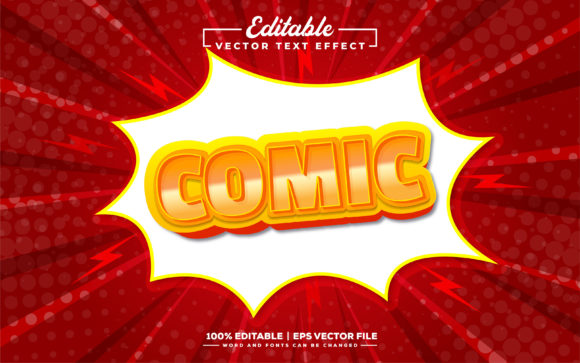
Comic 3D Editable Text Effect Design
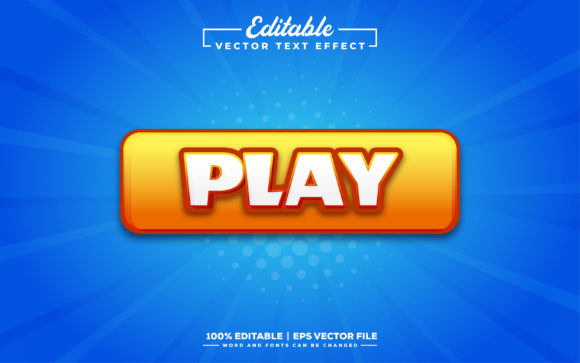
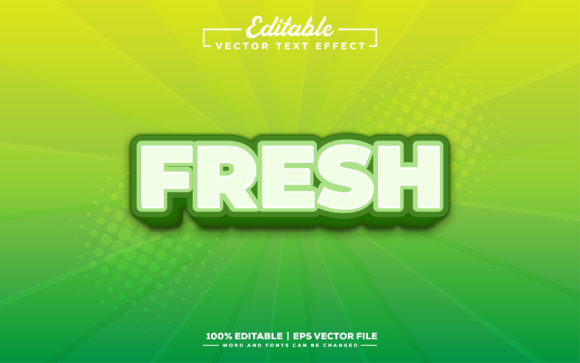
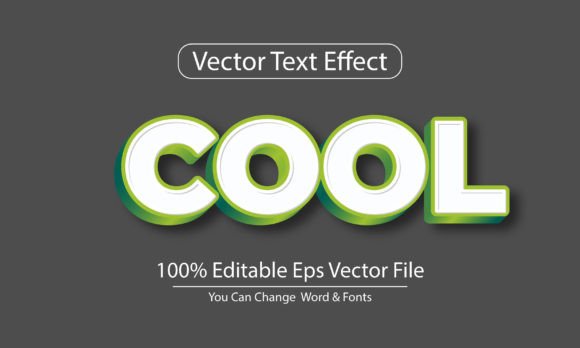
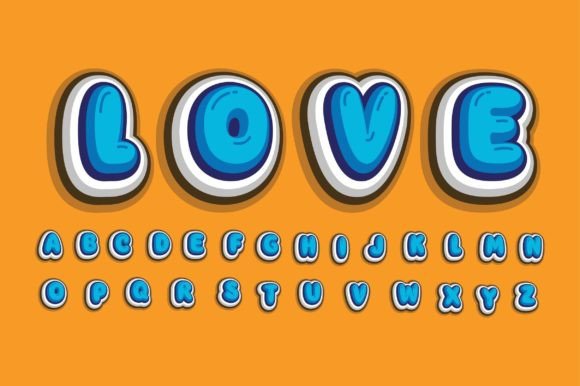
Comic 3D editable text effect design is a powerful tool that blends the visual appeal of comic book aesthetics with the flexibility of digital text editing. This technique allows creators to add dynamic, three-dimensional text elements that mimic the look of comic panels, speech bubbles, and title cards. Whether you're designing for print, web, or social media, this style offers a unique way to capture attention and convey emotion through typography.
The appeal of comic 3D text lies in its ability to merge storytelling with visual design. It’s not just about making text look cool—it’s about creating a narrative that resonates with your audience. From bold headlines to subtle captions, these effects can elevate your creative projects and make them stand out in a crowded digital space.
What Makes Comic 3D Text Unique?
Unlike traditional 2D text, comic 3D text adds depth, shading, and perspective to create a more immersive experience. This design approach often includes elements like drop shadows, bevels, and highlights that simulate a three-dimensional surface. These effects are especially effective when used in conjunction with comic-style illustrations, giving your work a cohesive and professional look.
One of the key features of comic 3D text is its editability. With modern design software, users can adjust font styles, colors, lighting, and textures without losing quality. This flexibility makes it ideal for projects that require frequent revisions or multiple versions. Whether you’re working on a branding campaign, a website header, or a social media post, the ability to tweak and refine your text is invaluable.
Creative Possibilities and Applications
Comic 3D text can be applied across a wide range of creative fields. For designers, it’s a great way to add visual interest to logos, posters, and banners. Marketers can use it to craft eye-catching headlines for ads or email campaigns. Bloggers and content creators might incorporate it into their visuals to enhance storytelling and engagement.
Consider using comic 3D text in the following scenarios:
- Book covers: Add a dramatic, comic-inspired title to your novel or graphic novel.
- Social media posts: Create engaging captions or quotes with a stylized text effect.
- Product packaging: Use it to make labels, tags, or promotional materials more visually striking.
- Website headers: Make your site’s navigation or landing page more dynamic and memorable.
The versatility of this design element means it can be adapted to suit different industries and audiences. A tech startup might use a sleek, modern comic 3D effect for a product launch, while an artist could use it to promote an exhibition with a more retro, hand-drawn feel.
How to Adapt Comic 3D Text for Different Goals
Understanding your audience is essential when using comic 3D text. If you're targeting younger demographics, a bold, vibrant style might be more effective. For a professional setting, a more subdued and refined approach could work better. The key is to match the tone and purpose of your project with the visual language of the text effect.
For example, a marketing team promoting a new video game might use comic 3D text to highlight key features or release dates. In contrast, an educational platform could use it to create engaging infographics or instructional materials. By tailoring the design to your specific needs, you can ensure that the text effect enhances, rather than distracts from, your message.
Practical Tips for Using Comic 3D Text
When working with comic 3D text, it's important to maintain clarity and readability. While the effect can add visual interest, it should never compromise the legibility of your message. Here are a few practical tips to keep in mind:
- Use appropriate fonts: Choose fonts that complement the comic aesthetic—think bold sans-serif or stylized script.
- Control contrast: Ensure there is enough contrast between the text and background to make it easy to read.
- Keep it simple: Avoid overloading the design with too many effects or layers. Less is often more.
- Test on different platforms: Check how the text looks on various devices and screen sizes to ensure consistency.
Additionally, consider the context in which the text will be viewed. A comic 3D effect that works well on a desktop might not translate as effectively to a mobile screen. Always test your designs in real-world conditions to ensure they meet your goals.
Realistic Examples and Inspiration
Looking at real-world examples can help you understand how comic 3D text can be used effectively. For instance, a fitness brand might use a comic-style headline to introduce a new workout program, combining bold text with energetic imagery. A music festival could use animated 3D text to create a sense of excitement and movement in their promotional materials.
Another example is a travel blog that uses comic 3D text to highlight destination names or travel tips. This approach adds a playful, engaging element that can make the content more shareable and memorable. By drawing inspiration from existing designs, you can find new ways to apply this technique to your own projects.
Conclusion: Embrace the Power of Comic 3D Text
Comic 3D editable text effect design offers a unique blend of creativity and functionality. Whether you're a designer, marketer, or content creator, this tool can help you communicate your message more effectively and visually. By understanding its potential and applying it thoughtfully, you can elevate your work and connect with your audience in new and exciting ways.
Experiment with different styles, test your designs, and always keep your audience in mind. With the right approach, comic 3D text can become a valuable part of your creative toolkit, helping you stand out in a competitive digital landscape.