3d Rendered Carrot for Design Project: A Creative Tool for Visual Storytelling
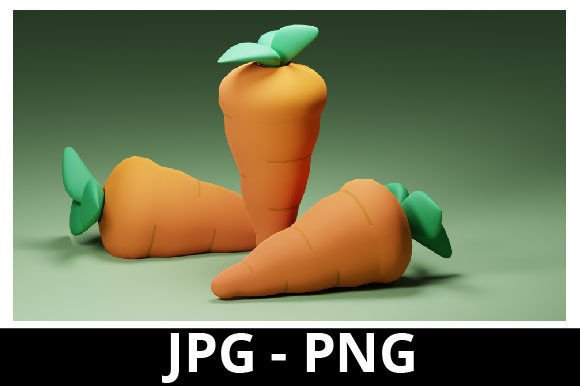
The 3d Rendered Carrot for Design Project is a digital asset that offers a high level of detail and realism, making it an attractive option for designers, marketers, and content creators. This resource provides a visually compelling representation of a carrot, rendered in three dimensions to support a wide range of creative applications. Whether used in product design, advertising, or educational materials, the 3d Rendered Carrot can serve as a valuable component in visual storytelling.
Unlike traditional 2D illustrations, 3D renders allow for greater flexibility in presentation. They can be viewed from multiple angles, adjusted for lighting conditions, and integrated into various design environments. This adaptability makes the 3d Rendered Carrot particularly useful for projects that require dynamic visual elements. Its realistic textures and shading contribute to a professional appearance, which is essential for maintaining brand consistency and audience engagement.
Key Characteristics of 3d Rendered Carrot for Design Project
The 3d Rendered Carrot for Design Project stands out due to its attention to detail and technical quality. The model typically features accurate proportions, smooth surfaces, and realistic coloration that mimics natural carrots. These characteristics are crucial for ensuring that the asset looks authentic in different contexts. The use of advanced rendering techniques also enhances the depth and dimensionality of the image, giving it a lifelike quality.
Another notable feature is the file format compatibility. Most 3D models are available in common formats such as OBJ, FBX, or STL, allowing them to be easily imported into popular design software like Blender, Maya, or Cinema 4D. This versatility ensures that users can integrate the 3d Rendered Carrot into their existing workflows without significant technical barriers.
The asset also includes detailed textures, which are essential for achieving a high-quality render. These textures may include surface patterns, reflections, and subtle imperfections that add to the realism. For designers working on food-related projects, this level of detail can make a significant difference in how the final product is perceived by the target audience.
Practical Applications and Use Cases
The 3d Rendered Carrot for Design Project is particularly useful in industries that rely on visual content, such as marketing, e-commerce, and media production. In e-commerce, for example, high-quality 3D models can be used to create product images that showcase items from multiple angles. This not only improves the user experience but also increases the likelihood of conversions by providing a more immersive shopping experience.
In the realm of advertising, the 3d Rendered Carrot can be incorporated into digital campaigns to illustrate healthy eating habits, organic farming, or food sustainability. Its realistic appearance helps convey the message effectively, especially when paired with appropriate text and imagery. Additionally, the asset can be used in social media content, where visual appeal plays a critical role in capturing audience attention.
Educational institutions and content creators may also find value in the 3d Rendered Carrot for Design Project. It can be used in presentations, instructional videos, or interactive learning modules to demonstrate food science concepts, agricultural practices, or nutritional information. The ability to manipulate the 3D model allows for engaging and informative content that caters to diverse learning styles.
Strengths and Limitations
One of the primary strengths of the 3d Rendered Carrot for Design Project is its ability to enhance visual communication. By offering a realistic and adaptable representation of a carrot, it supports a variety of creative goals. Its high-quality textures and precise modeling ensure that it can be used in professional settings without compromising the overall aesthetic.
However, there are some limitations to consider. The complexity of 3D models may require additional processing power and software capabilities, which could be a barrier for users with limited technical resources. Additionally, while the asset is highly detailed, it may not be suitable for all design projects. For instance, minimalist or abstract designs may benefit more from simpler graphic elements rather than a highly realistic 3D model.
Another consideration is the cost. High-quality 3D assets often come with a price tag, and users should evaluate whether the investment aligns with their project goals. While some assets are available for free, they may lack the same level of detail and customization options as paid versions.
Who Benefits Most from 3d Rendered Carrot for Design Project?
The 3d Rendered Carrot for Design Project is most beneficial for professionals who work with visual content and require a reliable, high-quality asset. Graphic designers, digital artists, and product developers can leverage the asset to enhance their portfolios or meet client expectations. Marketers and advertisers will find it useful for creating engaging campaigns that highlight food-related themes.
Entrepreneurs and small business owners who sell food products or related services may also find value in using the 3d Rendered Carrot for Design Project. It can be used to create promotional materials, packaging designs, or website graphics that reflect the authenticity and quality of their offerings. For educators and content creators, the asset provides a tool for developing informative and visually appealing educational content.
Freelancers and independent creators can benefit from the flexibility of the 3d Rendered Carrot for Design Project. Its compatibility with various design tools allows for seamless integration into different projects, making it a versatile addition to any creative toolkit. However, users should assess their specific needs and technical requirements before investing in the asset.
Recommendations for Effective Use
To get the most out of the 3d Rendered Carrot for Design Project, users should start by understanding their specific design goals. Whether the asset is being used for a commercial campaign, an educational module, or a personal project, the intended purpose will influence how it is applied. Experimenting with different lighting conditions, backgrounds, and compositions can help maximize its visual impact.
It is also advisable to review the technical specifications of the 3D model before downloading or purchasing it. Ensuring that the file format is compatible with the chosen design software will prevent potential issues during the workflow. Users should also consider the resolution and file size, as these factors can affect performance and scalability.
Finally, pairing the 3d Rendered Carrot for Design Project with other visual elements—such as text, icons, or animations—can enhance the overall effectiveness of the design. Thoughtful integration ensures that the asset complements the broader visual strategy rather than standing alone as a standalone element.
For those considering the 3d Rendered Carrot for Design Project, it is important to weigh the benefits against the practical constraints. While it offers a high level of quality and versatility, it may not be the best fit for every project. Evaluating the specific needs of the design task and the available resources will help determine whether the asset is a worthwhile addition to the creative process.