3D Marketing Social Media Concept: Transforming Digital Engagement
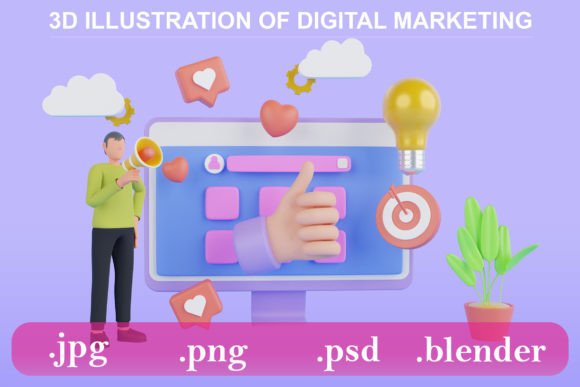
In today's fast-paced digital world, standing out on social media isn't just about posting content—it's about creating experiences. The 3D Marketing Social Media Concept is a game-changer for businesses and creators looking to engage audiences in more immersive and meaningful ways. By integrating three-dimensional elements into social media strategies, this approach allows users to present products, ideas, and stories with greater depth and interactivity.
Whether you're a small business owner, a content creator, or a marketer, understanding how and when to use 3D marketing can help you connect with your audience on a whole new level. Let's explore how this concept works and why it matters in the modern digital landscape.
What Is the 3D Marketing Social Media Concept?
The 3D Marketing Social Media Concept refers to the use of three-dimensional visuals, animations, and interactive elements within social media platforms to enhance user engagement. Unlike traditional flat images or videos, 3D content offers a more dynamic and realistic representation of products, services, or ideas. This could include 3D product models, virtual try-ons, animated storytelling, or even augmented reality (AR) experiences that users can interact with directly from their feeds.
Imagine scrolling through Instagram and seeing a 3D model of a new shoe that you can rotate, zoom in on, and even view from different angles—all without leaving the app. That’s the power of 3D marketing in action. It transforms passive scrolling into active exploration, making content more memorable and engaging.
When and Why People Use 3D Marketing on Social Media
The 3D Marketing Social Media Concept is particularly useful in situations where visual clarity and interaction are key. For example, e-commerce brands often use 3D product models to give customers a better sense of size, texture, and design before purchasing. This reduces return rates and increases customer satisfaction.
Content creators also benefit from 3D marketing when they want to tell a story in a more immersive way. A travel vlogger might use 3D maps or virtual tours to show viewers what a destination looks like, making the experience more vivid and engaging. Similarly, educators can use 3D models to explain complex topics like anatomy, architecture, or science concepts in a more interactive format.
Real-World Applications of 3D Marketing
Let’s look at some practical examples of how different users apply the 3D Marketing Social Media Concept in their work:
- Small Business Owners: A local furniture store can showcase its products using 3D models that customers can view in different room settings. This helps buyers visualize how a piece will fit in their home, increasing the likelihood of a purchase.
- Entrepreneurs: Startups launching new tech gadgets can use 3D animations to demonstrate how their product works. This makes it easier for potential investors or customers to understand the value proposition without needing a physical prototype.
- Bloggers and Influencers: Beauty influencers might use AR filters that let followers try on makeup virtually. This not only engages the audience but also drives traffic to their websites or online stores.
- Educators: Teachers can create 3D models of historical landmarks or scientific phenomena to make lessons more interactive. Students are more likely to retain information when they can explore content visually and interactively.
- Freelancers and Artists: Digital artists can share 3D artwork that viewers can manipulate, offering a unique way to showcase creativity and build a following.
How Different Users Benefit from 3D Marketing
The benefits of the 3D Marketing Social Media Concept vary depending on the user's goals and industry. For instance, a fashion brand might use 3D models to allow customers to see how a dress looks on different body types, while a real estate agent could use 3D virtual tours to give potential buyers a detailed view of a property without requiring an in-person visit.
For content creators, 3D marketing can help differentiate their work in a crowded space. By offering something visually unique, they can attract more attention and build a loyal audience. Meanwhile, marketers can use 3D elements to create more compelling ad campaigns that stand out from the competition.
Things to Consider Before Using 3D Marketing
Before diving into the 3D Marketing Social Media Concept, there are several factors to consider. First, you need to determine whether your audience would find 3D content valuable. Not all users may be familiar with or comfortable interacting with 3D elements, so it's important to test different formats and gather feedback.
Second, the cost and technical requirements can vary. Some platforms offer built-in tools for creating 3D content, while others may require specialized software or third-party services. You should also think about the platform you're using—some social media channels support 3D content better than others.
Finally, always align 3D content with your overall marketing strategy. It shouldn’t be used just for the sake of being trendy. Instead, focus on how it can solve a problem, enhance the user experience, or add value to your audience.
Why 3D Marketing Matters in the Modern Social Media Landscape
As social media continues to evolve, user expectations are rising. People no longer want to just scroll—they want to engage, explore, and interact. The 3D Marketing Social Media Concept meets this demand by offering a more immersive and personalized experience.
For businesses, this means higher engagement rates, better customer insights, and more effective storytelling. For individuals, it opens up new creative possibilities and ways to connect with their audience. Whether you're selling a product, sharing knowledge, or building a brand, 3D marketing can help you do it more effectively and memorably.
By embracing this concept, you’re not just keeping up with trends—you’re shaping the future of digital interaction.